
Body recomposition: Can you gain muscle during a diet?
Note: This was originally a Facebook post but quickly became too big a post to put on there.
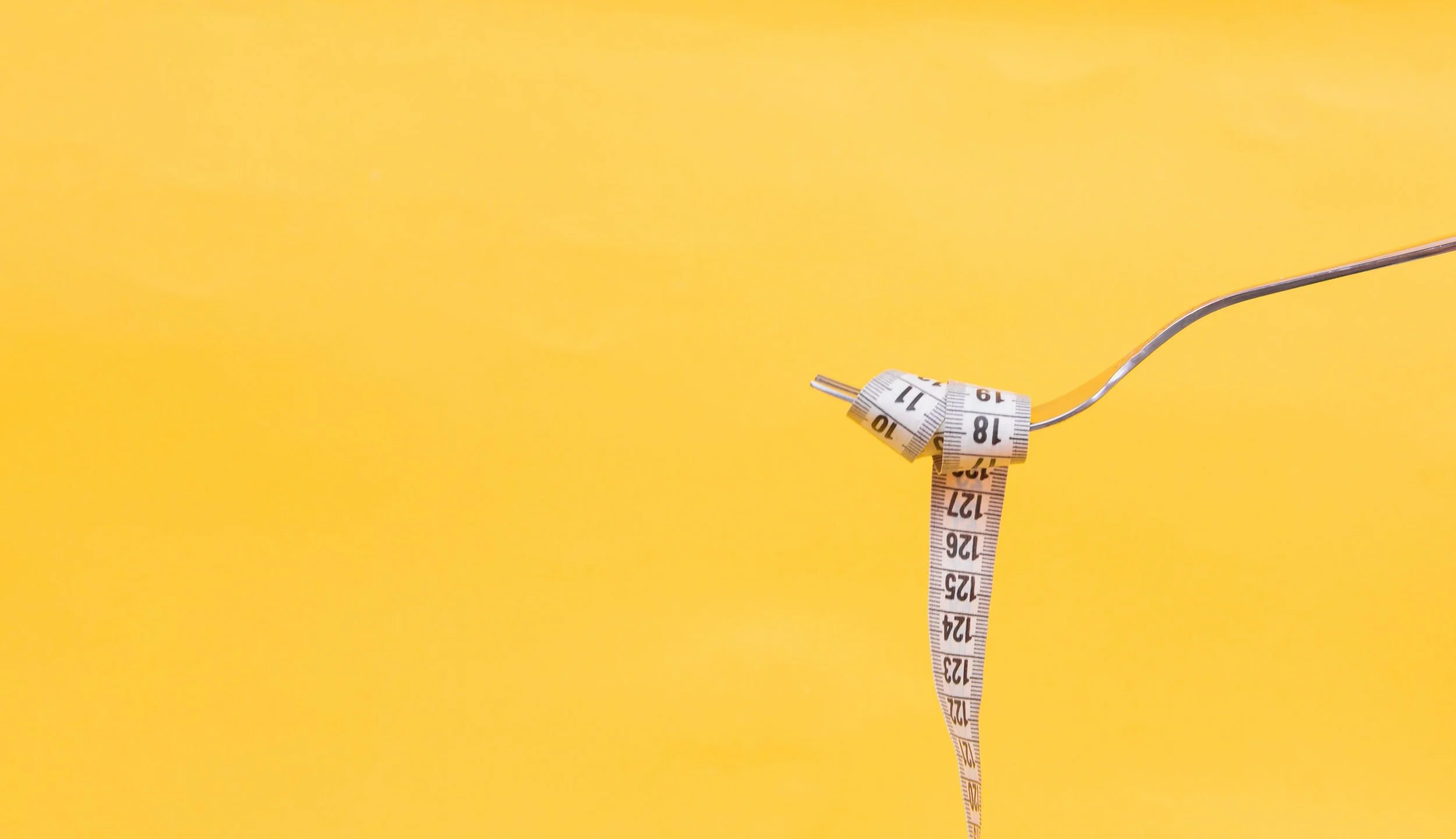
Not so black and white
People often view being in a calorie surplus or a calorie deficit as a static state, you can build muscle in one, and lose fat in the other, but never able to do both in one state.
Our bodies aren't binary and don't operate on a simple if this - then that system. Before you mention it, no this doesn't violate the laws of thermodynamics that calories in vs calories out relies on, there isn't any extra energy coming in or out of your body and nothing unexplainable is happening.
Being in a diet is like you're giving someone $2000 bucks to spend on renovating a room instead of the expected $2500. They have enough to renovate everything, but maybe not as well as they did before, sacrifices have to be made and maybe the couch isn't quite the one you wanted.
Just like the room, when your body has a surplus of calories, it can go all out with its muscle building, it has more than enough to go around so when it needs some calories to repair the muscle, no worries you've got plenty. When you have fewer calories than usual, and you need to start dipping into your piggy bank, it doesn't mean your muscle-building shuts down, it becomes harder, but by dipping into the piggy bank that is our stored fat and muscle, it makes do. The good news is that by giving your body a sign (weight training) that you want it to build muscle, it will stop trying to get all that extra energy from your muscles, and start going to your stored fat far more often.
How does it work?
To understand what's actually letting this happen we need to know what drives muscle growth.
When you are gaining muscle, you are in an anabolic, or 'growth' state, and if you are losing muscle or fat you are in a 'catabolic' state. Protein synthesis is an anabolic state where your body is creating new protein to build and repair muscle, on the inverse, there is protein catabolism, where muscle is being broken down. Protein synthesis and protein catabolism are constantly battling it out, if your rate of protein synthesis is higher than catabolism, you will be gaining muscle, even if you are losing fat, however, if the scale starts tipping the other way, and catabolism outstrips anabolism, then you start losing muscle.
The good news is that all your body needs as a signal to ramp up protein synthesis is resistance training where it gradually gets more difficult (progressive overload). This is why it's recommended to lift weights even if you aren't trying to gain muscle during a prolonged cut, by keeping that signal that 'Yes I actually use those muscles! Don't use them for energy'.
While a prolonged deficit definitely can lead to muscle loss, our body doesn't actually like breaking down muscle for energy, it's inefficient and fat is a far better energy source, so give it the signal to hold onto what you have.
The evidence
This isn't all something that only makes sense on paper either, studies comparing groups of people on different calorie diets found that those that were in a moderate calorie deficit, had a high protein diet and used progressive overload in their training lost fat and gained muscle at the end of the study despite never being in a net surplus. While this is an area that needs for research, what has been found so far supports the idea that it is possible to gain muscle in a deficit, with some people more likely than others.
Who is most likely to gain muscle during a cut?
A beginner (someone who has consistently trained for 6+ months) or someone who used to train but has lost muscle
Someone who has a higher body fat % to begin with - You essential have a backup store of energy that people with low bf % don’t
Someone who is using anabolic steroids - Effective but not recommended
How to increase your chances of gaining muscles during a cut
Don't use an aggressive deficit - A daily deficit of 20-30% of your maintenance calories (~250 cal for most people) is probably ideal
Eat a high protein diet - 1.8-2.4g/kg a day of protein
Keep progressively overloading your training - You won't be able to progress as quickly in a cut, but still try to keep progressing
Pro tip: It can become easy to overthink and try to micromanage a diet, as long as you're training hard, have a high protein diet and aren't crash dieting, you're already doing everything right.
Advice for experienced lifters
If you're an experienced lifter can you still expect to gain muscle while being in a prolonged caloric deficit? The truthful, albeit annoying answer is that it really depends. The longer the cut and the more aggressive the cut the greater the amount of catabolism, and eventually the rate of protein synthesis to catabolism with become equal, and if the diet continues some muscle loss is likely inevitable. As someone who has already been training for a long time, your rate of muscle growth will have slowed down as is, so trying to gain muscle on a diet also begins to become more difficult. It’s not impossible to gain muscle during a deficit, provided the nutrient and stimulus is there, but for most advanced lifter defined periods of surplus and deficit are most beneficial for maximum results.
Take-home points
If you have sufficient protein intake and are using progressive overload in your training it is possible to gain muscle during a cut.
Don’t use an overly aggressive dieting strategy to minimise your risk of muscle loss
Maintain a high protein diet
Don’t expect the same rate of muscle growth as in a surplus, it’s not going to happen
Resistance training is essential to ward off muscle atrophy during a prolonged cut