
The no-equipment home workout
Working out at home
Gyms are being closed and people are being made to stay at home to self-isolate - It can make keeping your fitness level up difficult if you don’t know how to adapt your routine to work at home. The good news is that while not having access to a gym can make things more difficult, it doesn’t mean you can’t keep improving your fitness level with a home workout.
I’ve created two at-home workouts, the beginner’s program and the advanced program. If you are new to working out or haven’t done a home workout before, start with the beginner’s program.
Transform your physique with home workouts
Beginners program
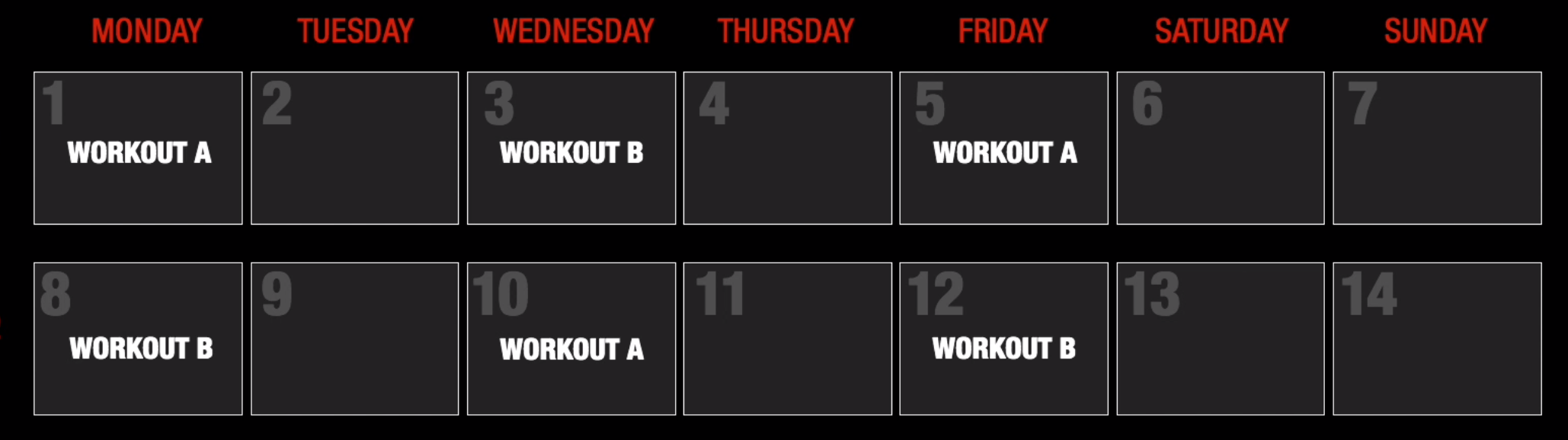
The beginner’s program follows the format shown below: Start with workout A on say one, rest on day two, do workout B on day 3 and so forth. Switch order on week two and continue to alternate.
There is no rest between exercises. Starting out aim to complete the circuit 1-2 times (goal is to reach 3-4 circuits completed). The workout will take you between 35-55 minutes
This program is designed so you don’t need any equipment but the most basic of items, a broomstick, towel, and some chairs. If you have more equipment at some such as resistance bands or dumbbells, those can also be incorporated into the program
Workout A
Exercise A - Legs
Exercise B - Push
Exercise C - Core
Exercise D - Whole body
Walking lunge —> Jump squats —> Power jacks —> Star jumps
Workout B
Exercise A - Legs
Exercise B - Push
Exercise C - Pull
Exercise D - Whole body
Jump squats —> Star jumps —> Plank jacks
Advanced program
The advanced program is a 5x/week program which uses an alternating push/pull and legs split. Make sure to rest at least two days a week. This is a difficult workout and even if you’ve been lifting for years you will get a hard workout from this. Unlike the beginners program, you must complete the exercises in order before progressing. (E.g Do 2 sets of Exercise 1 before going to exercise 2).
This workout is optimal if you are able to use light dumbbells or substitutes (Jeff Cavalier has an excellent video on at home workout hacks).
Workout A - Push/pull
45s exercise/ 15 seconds rest - Repeat circuit 2-4 times
Exercise 1 - Chest
Decline pushups —> DB floor press —> DB close grip floor press —> Release push-ups —> Rest 1-3 min
Exercise 2 - Back
Broom row —> Seated pull up —> Floor Y raise —> Rest 1-3 min
Exercise 3- Shoulders
Power pushaway —> Reach through —> Reach through —> Reverse iron cross —> Cobra Push up —> Rest 1-3 min
Exercise 4 - Finisher
30s exercise/ no rest - Do exercises in circuit 2-4 times
Workout B - Legs
45s exercise/ 20 seconds rest - Repeat each circuit 2-4 times
Exercise 1 - Quads/glutes
Bulgarian split squat —> Walking lunge —> 1 1/2 Squats —> Single leg glute raise —> Rest 1-3 min
Exercise 2 - Power/cardio
Jump Squat —> Plank jacks —> Mountain climber twists — > Tuck jump —> Rest 1-4 min
Exercise 3 - Hamstrings
Hamstring slides —> Single leg R.D.L —> Nordic curl —> Rest 45s —> Single-Leg Sliding Curl
Exercise 4 - Finisher
30s exercise/ no rest - Do exercises in circuit 2-4 times
Fitness trackers
While by no means an essential part of your workout, a good heart rate monitor can be an handy tool in your fitness toolbox. It’s important to understand the pro’s and con’s of different HR monitors so you don’t waste your money and the reviewers over at Consumer Advocate have done an excellent guide reviewing the most popular ones on the market.
Progression
Progressing your program doesn’t need to be complicated, if you feel your progress starts to slow down you can try:
Start using weights - Water bottles, phone books, dumbbells etc
Change the order of exercises - Instead of doing the same order for exercises do the inverse
Beginners: For workout A do exercises in the order of D, C, B, A
Advanced: For workout A do - Single leg glute raise —> Pulse squat—>Walking lunge —> Bulgarian split squat —> Rest 1-3 min. You can do this for some or all of the exercises.
Increase time - Aim to do exercises for 60s instead of 45s
Try to only change one variable at a time. Don’t aim to change all three progressions at once - Less can sometimes be more.
Flatten the curve
COVID-19 is a disease that needs to be taken seriously, even if you yourself aren’t in a high-risk population (immunocompromised or elderly) you need to be practising good hygiene and social distancing to slow down the spread of the disease.
As outlined in my previous article (found here) in times like this, we need to defer to the experts; to the epidemiologists, the virologists and the doctors and not listening to random Facebook articles. There is an increasing amount of misinformation being spread around and it is adding to the confusion and fear about the virus. Do what you can to help slow down and prevent the spread of the virus, and most importantly, be alert, not anxious.