
What is double dopamine dieting?
Double dopamine dieting is a diet that claims you can increase your dopamine through eating certain foods and it’s true that certain foods have been linked to increased levels of dopamine, the radical change to your life that this diet claim has no basis in reality. The good news is that there is actual evidence behind some of its claims.
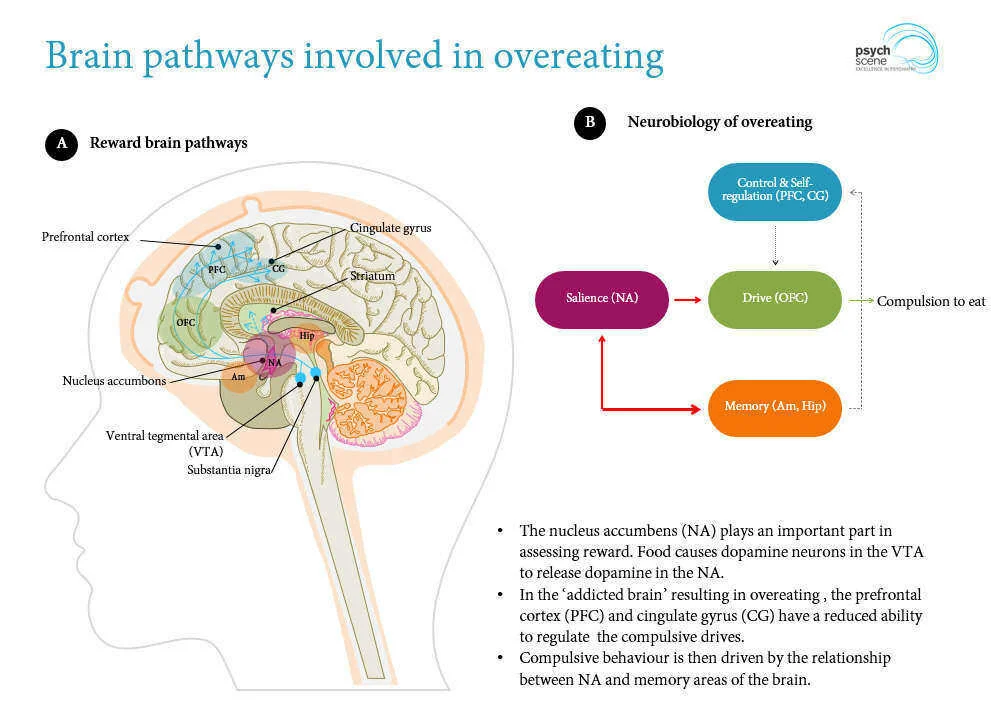
Dopamine is often called the ‘happy chemical’ as it plays a role in feelings of pleasure, but dopamine also has a complicated role in a bunch of different functions. Double dopamine refers to the two main surges in dopamine that occur while eating, once when you are actually eating the food and enjoying it, and secondly when you are digesting the food.
As a general rule of thumb foods that are high in sugar, fat and are calorie-dense produce the greatest spike in dopamine; our brains are hardwired to see that combination as a good thing from the days gone by when we needed all the calories we could get. This spike occurs as soon as you taste the food, and even when you’re anticipating eating food you like, then slowly levels out as you continue to eat.
Now, how pleasurable you find a type of food isn’t necessarily linked to its macronutrients or calorie levels, but our brains are more likely to find foods that are high in those, more palatable in general. If you really love fruit, vegetables or anything in between you’ll have just as large a spike if you enjoy it.
The response size of the second dopamine response seems to be linked to the nutritional value of the food eaten, with more nutritious foods creating a greater dopamine spike once the food is being digested. Unfortunately with today’s food more often than not, being calorie-dense and nutrient empty those pathways in our dopaminergic system (fancy term for our reward and pleasure-seeking system) often aren’t firing much. Now much of this may seem intuitive, eat nutritious food that you actually enjoy and you’ll feel better, but there are some helpful tips that can help you improve your eating habits.
Practical tips for improving your eating habits
Notice your stomach pressure
Tuning into how full your stomach feels early on will help you stop eating once your stomach is close to full. This lets you avoid overeating and falling into that food coma where you are feeling lethargic and struggling to digest. An easy way to feel more full in this way is to have a glass of water with your meal. The issue with using stomach pressure only as a guide for when you are full is that a lot of foods, potato chips for example, don’t quickly fill up this space which means you can easily eat an entire packet without realising.
Slow down
Mindful eating is highly popular and with good reason, it works. Making sure you’re fully chewing your food, taking time to notice the flavours of the food and focusing on the food can give your body time to tell you it’s full. You don’t need to set aside your dinner and only focus on eating, but be aware that if you’re eating and doing something, like watching TV, often the eating becomes automatic and it becomes easy to overeat.
Aim for light foods
Have you ever eaten a big meal of fast food and felt lethargic and heavy afterwards? Nutrition poor and calorie-dense foods more often than not make us feel weighed down and sapped of energy, which is the opposite of what we want. On the other hand, a nutrient-dense meal that isn’t super calorie-dense, stir fry, for example, is more often than not going to make us feel more energetic afterwards. It is fairly intuitive to know what kind of meal will leave you feeling like you need to nap and those that make you feel energetic so aim for the latter.
Final comments
While it’s often used as a synonym for pleasure, dopamine doesn’t just make us feel good but is essential for a bunch of different physiological functions. Eating isn’t as cut and dry as just spiking one hormone but rather a cascade of physiological responses, each branching off into further micro changes. As tempting as it is to simplify complicated things, don’t lose sight of the fact the human body is immensely complicated and it’s rarely just ‘if x then y’.
While this article isn’t about specific foods increasing dopamine., an important thing to note is that no single food will have a massive impact on your dopamine levels despite what people claim. Certain foods high in certain amino acids, L-Dopa in particular, (a precursor to dopamine) have been linked to higher dopamine levels, however, these increases are slight. It’s a good thing that we can only slightly increase our neurotransmitter levels through food because otherwise, you’d be able to have some seriously negative effects on your body by playing around with them.
Take-home points
Aim for moderate stomach pressure, and light food that doesn’t make you feel lethargic
Slow down your eating and give your stomach time to tell you it is full.
Good eating habits take time, these skills take practise
Try to avoid doing distracting things while eating, focus on eating only if possible